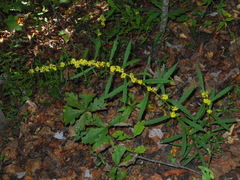
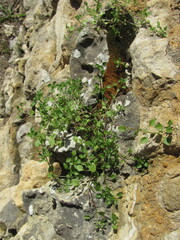
Blue-stemmed goldenrod
Solidago caesia
Wildlife, seed and sources
Mt. Cuba: Named by Mt
Seed: C(60), D
USDA range map · Photo: Michael J. Papay, CC BY · Report a correction
Plants that feed the insects that feed the birds, chosen for your region and timed to your spring. Worked out on a 1760 farmstead in the Virginia piedmont.
Hello friends. This is the short version, for anyone who would rather plant than read.
It's for anyone turning part of a yard or a field over to native plants: a pollinator bed, a rain garden, a strip of meadow, a shady edge under trees. The tools work anywhere in the lower 48 states. The detailed species lists and the bloom calendar come from our own piedmont farm and suit the eastern forests best; for the West, the page points you to the lists written for your region.
If you are restoring a large natural area, working in a regulated wetland or stream buffer, or planting on public land, talk to your state's natural heritage program or a restoration professional first. The rules and the stakes are different there.
The case for native plants rests on a simple, well-measured fact: most plant-eating insects, caterpillars above all, can only eat plants they evolved with, and those caterpillars are what most songbirds feed their nestlings. Research led by Doug Tallamy and Desirée Narango found that a small share of plant genera supports most of the caterpillar species in any region. That part is strong.
Less settled: exactly how much a named cultivar (a "nativar") gives up compared with the wild species, how much local-ecotype seed matters in a backyard, and how precisely bloom dates move from one place to another. We say where the evidence is thin, in section 10.
Four short steps: where you are, how much sun, what the soil does, then pick plants. Each step narrows the list below it.
Slide right if spring comes late for you (a hollow, a north slope, high ground), left if early (a south wall, the city).
Ecoregion: Eastern Temperate Forests.
Caterpillar species (green) and pollen-specialist bees (ochre) per genus, from the National Wildlife Federation keystone list for Eastern Temperate Forests. A dash means the list gives no count.
Count the hours of direct sun the spot gets on a clear day in June or July, not in April before the trees leaf out. When it comes matters too: morning sun is cool and gentle; the same hours in the afternoon are hot and hard on shade plants.
Pick the hours and, if it's between 3 and 6, when the sun arrives.
Six or more hours of sun and ordinary soil. Little bluestem with goldenrods, asters, milkweeds, mountain mints and coneflowers. The easiest place to start, and where most keystone genera live.
Low ground that stays wet after rain. Swamp milkweed, blue vervain, boneset, Joe-Pye, cardinal flower, blue flag, sedges. Wet soil is habitat, not a defect to fix.
Ground that floods now and then. Wingstem, Virginia wild rye, sedges, bluebells, Jacob's ladder. Keep the soil covered, and check your county's stream-buffer rules before tilling or grading near water.
Morning sun or dappled light. Columbine, golden alexanders, woodland phlox, wood asters, native clematis. Often the richest strip on a property.
Under trees. Spring ephemerals (bloodroot, spring beauty, mayapple), ferns, sedges, wild ginger, blue-stemmed goldenrod. Leave the leaves: this is where the litter matters most.
Thin, fast-draining soil on slopes. Butterfly weed, aromatic aster, little bluestem, early goldenrod. These plants rot in rich, wet beds.
The drainage test: dig a hole a foot deep, fill it with water, let it drain, fill it again and time it. Gone within a few hours is dry; within a day is average; water still standing after two days means wet-meadow plants.
Soil: a soil test from your extension service costs little and gives your pH. Most natives here are content from pH 5.5 to 7.5; a few, such as our local pale leatherflower, want base-rich soil. For a larger property, the free USDA Web Soil Survey maps your soil series and drainage class; that's what we used to site the beds on our own floodplain.
These come from the natives we grow and watch on our own farm in the Virginia piedmont. Most range across the eastern United States, but a plant native to your state may not be native to your county: check each against your state's list or the county maps at BONAP before you buy.
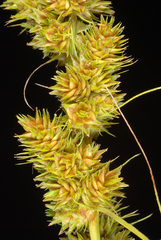
Mt. Cuba: Named by Mt
Seed: C(60), D
USDA range map · Photo: Michael J. Papay, CC BY · Report a correction
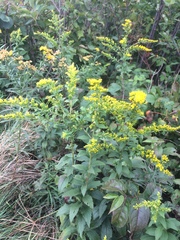
Birds: seed; insect food
Mt. Cuba: 'Fireworks' 4.6, tied top of 70 taxa with S
Seed: C(60), D
USDA range map · Photo: iNaturalist, CC0 · Report a correction
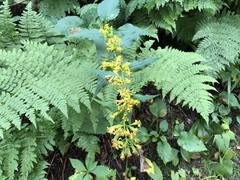
Mt. Cuba: Named by Mt
Seed: C(60), D
USDA range map · Photo: James Duncan, CC BY · Report a correction
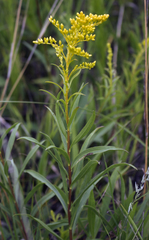
Birds: seed; insect food
Seed: C(60), D
USDA range map · Photo: aarongunnar, CC BY · Report a correction
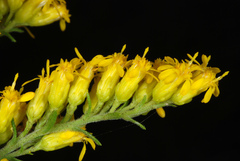
Seed: C(60), D
USDA range map · Photo: Douglas Goldman, CC BY-SA · Report a correction
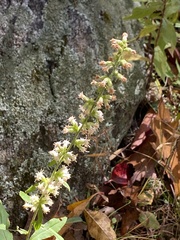
Seed: C(60), D
USDA range map · Photo: Sandy Wolkenberg, CC BY · Report a correction
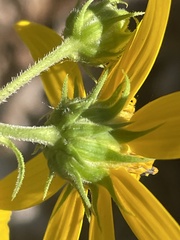
Caterpillars: Silvery checkerspot
Birds: seed
USDA range map · Photo: Becky Dill, CC0 · Report a correction

Seed: A
Range: In Virginia: Rare in the Piedmont, on moderately to strongly calcareous rock only.
USDA range map · Photo: aarongunnar, CC BY · Report a correction
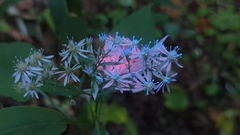
Caterpillars: Pearl crescent
Seed: C(60)
USDA range map · Photo: Alan Rockefeller, CC BY · Report a correction
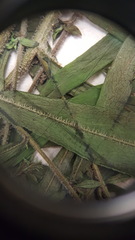
Caterpillars: Pearl crescent
Birds: seed
Seed: C(60)
USDA range map · Photo: naturalist charlie, CC BY · Report a correction
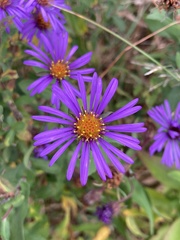
Caterpillars: Pearl crescent
Birds: seed
Seed: C(60)
USDA range map · Photo: er-birds, CC BY · Report a correction
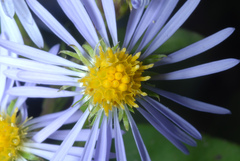
Caterpillars: Pearl crescent
Seed: C(60)
USDA range map · Photo: Douglas Goldman, CC BY-SA · Report a correction
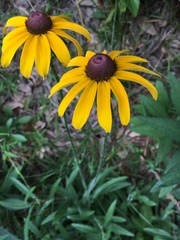
Birds: seed (goldfinches)
Seed: C(30)
USDA range map · Photo: Brady Reed, CC0 · Report a correction
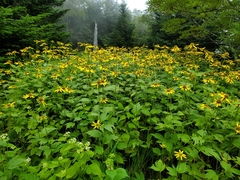
Caterpillars: Silvery checkerspot; wavy-lined emerald
Birds: seed (goldfinches)
Seed: C(30)
USDA range map · Photo: Will Kuhn, CC BY · Report a correction
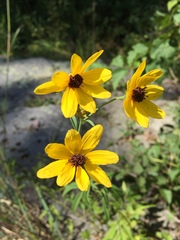
Mt. Cuba: 'Gold Standard' and 'Flower Tower' both 4.7 (Coreopsis trial 2012-14)
Seed: C(60)
USDA range map · Photo: Mark Eanes, CC BY · Report a correction
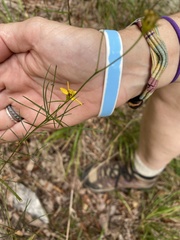
Mt. Cuba: 'Zagreb' among Mt
USDA range map · Photo: Carol Ann McCormick, CC BY · Report a correction
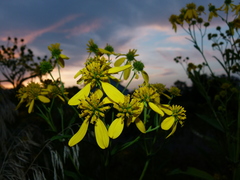
USDA range map · Photo: ingret9, CC BY · Report a correction
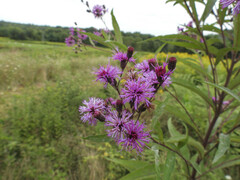
Mt. Cuba: South Carolina ecotype 4.0, a top performer
USDA range map · Photo: iNaturalist, CC0 · Report a correction
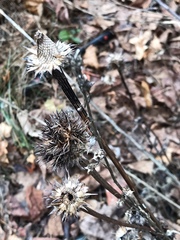
Birds: seed (goldfinches)
Mt. Cuba: 'Pica Bella' 5.0, top overall and preferred by pollinators
Seed: A
Range: Native to the Midwest and parts of the South; only an escape in Virginia.
USDA range map · Photo: Sandy Wolkenberg, CC BY · Report a correction
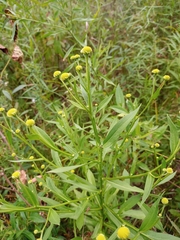
Mt. Cuba: Straight species 3.9
USDA range map · Photo: iNaturalist, CC0 · Report a correction
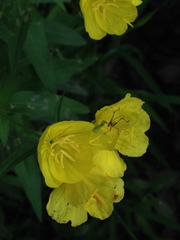
USDA range map · Photo: Lena Struwe, CC BY-SA · Report a correction
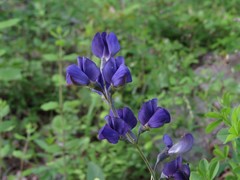
Caterpillars: Wild indigo duskywing (Erynnis baptisiae); frosted elfin historically
Mt. Cuba: Not in the top 10 of 46
Seed: C(10), H, I
USDA range map · Photo: Evan M. Raskin, CC BY · Report a correction
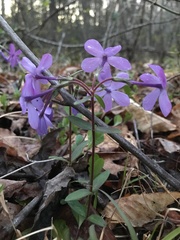
Mt. Cuba: 'Fran's Purple' 4.2 (top of Phlox for Shade), 'Sherwood Purple' 4.0, 'Pink Ridge' 3.5, 'Home Fires' 3.4
Range: In Virginia: Infrequent in the mountains, north to Augusta County; rare in the southwestern Piedmont. Not a northern Piedmont plant.
USDA range map · Photo: boletejones, CC BY · Report a correction
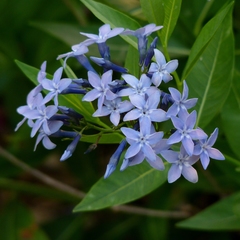
Mt. Cuba: 'Short Stack' (4.8 of 5, 2013-23)
Range: In Virginia: Infrequent in the southern Piedmont and inner Coastal Plain, from the James River south.
USDA range map · Photo: John B., CC BY · Report a correction
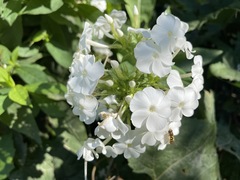
Mt. Cuba: 'Jeana' 4.8 of 5, highest in Phlox for Sun
USDA range map · Photo: Tom Scavo, CC BY · Report a correction
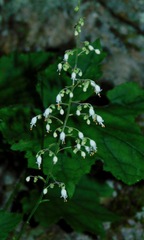
Mt. Cuba: 'Autumn Bride' 4.0, not in the top 10 (flowers flop
Range: In Virginia: Common in the mountains of southwestern Virginia, less common northward to Rockingham County.
USDA range map · Photo: Michael J. Papay, CC BY · Report a correction
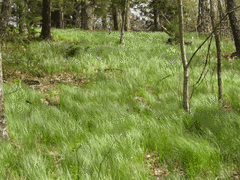
Mt. Cuba: Top performer 4.3/4.2
USDA range map · Photo: Evan M. Raskin, CC BY · Report a correction
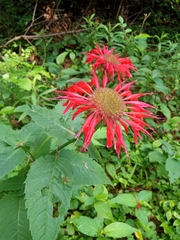
Birds: nectar (hummingbirds)
Mt. Cuba: 'Jacob Cline': hummingbirds' strong favorite at Mt
Range: In Virginia: Mountains; rare (partly introduced) in the Piedmont.
USDA range map · Photo: Paul Roots, CC BY · Report a correction
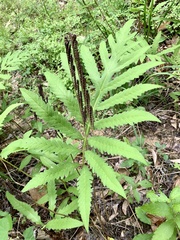
Mt. Cuba: In trial: 'Supersize' and 'Texan Too Tall' among the entries
USDA range map · Photo: Laura Clark, CC BY · Report a correction
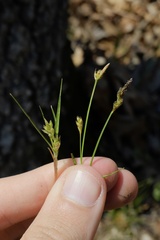
Mt. Cuba: Top performer 4.3/4.1 (Carex trial 2018-22)
USDA range map · Photo: Nathan Aaron, CC BY · Report a correction
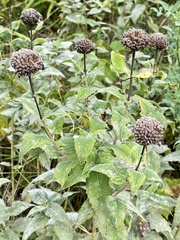
Mt. Cuba: 'Claire Grace' 4.5, tied top of 40 with 'Dark Ponticum'
Seed: A
USDA range map · Photo: tzeducation, CC BY · Report a correction
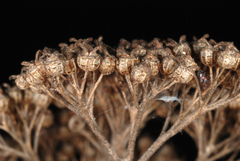
Birds: insects
Mt. Cuba: 'Haas' Halo' 5.0 (lacecap with many fertile flowers)
USDA range map · Photo: Douglas Goldman, CC BY-SA · Report a correction
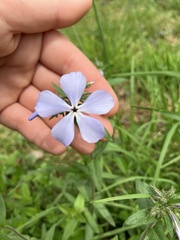
Mt. Cuba: Straight species and 'Blue Moon' both 3.5
Seed: C(60)
USDA range map · Photo: Alicia Ballard, CC BY · Report a correction
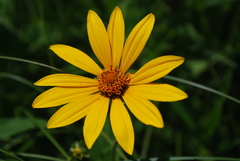
Birds: seed (goldfinches)
Seed: C(30)
USDA range map · Photo: Joshua Mayer, CC BY-SA · Report a correction
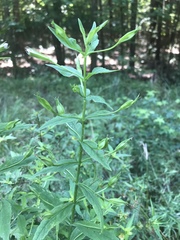
Caterpillars: Common buckeye; Baltimore checkerspot (occasional)
Seed: C(60), D
USDA range map · Photo: Brandon Wheeler, CC0 · Report a correction
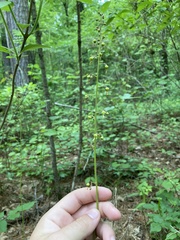
USDA range map · Photo: John Michael, CC BY · Report a correction
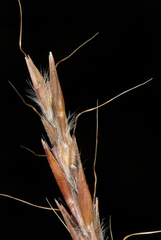
Birds: seed; winter cover
Seed: A
USDA range map · Photo: Douglas Goldman, CC BY-SA · Report a correction
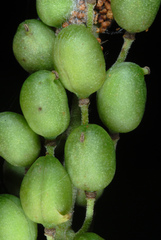
Caterpillars: Appalachian azure (specialist)
Seed: E
USDA range map · Photo: Douglas Goldman, CC BY-SA · Report a correction
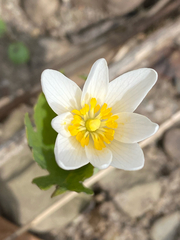
Seed: L, F
USDA range map · Photo: mrdace, CC BY · Report a correction
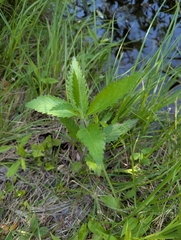
Seed: C(30), D
USDA range map · Photo: Skyler Principe, CC BY · Report a correction
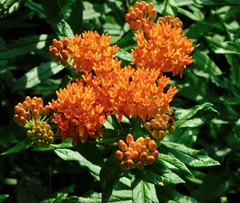
Caterpillars: Monarch; queen; milkweed tussock moth
Seed: 30 days cold-moist stratification; deep taproot, resents transplanting
USDA range map · Photo: Michael J. Papay, CC BY · Report a correction
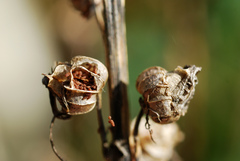
Birds: nectar (hummingbirds)
Seed: Surface-sow (needs light) after about 60 days cold-moist
USDA range map · Photo: Douglas Goldman, CC BY-SA · Report a correction
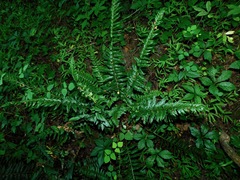
USDA range map · Photo: Michael J. Papay, CC BY · Report a correction
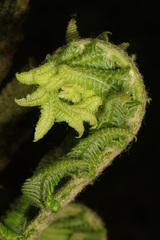
USDA range map · Photo: Judy Gallagher, CC BY-SA · Report a correction
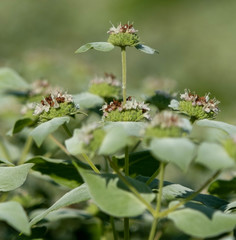
Seed: A, D
USDA range map · Photo: iNaturalist, CC0 · Report a correction
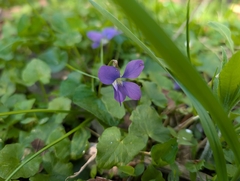
Caterpillars: Great spangled and other fritillaries
Seed: C(60), M, D
USDA range map · Photo: iNaturalist, CC0 · Report a correction
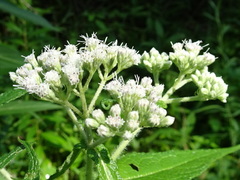
Seed: C(30), D
USDA range map · Photo: Thomas Koffel, CC BY · Report a correction
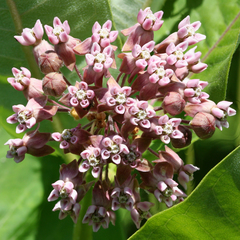
Caterpillars: Monarch; milkweed tussock moth
Seed: C(30)
USDA range map · Photo: Randy Nonenmacher, CC BY-SA · Report a correction
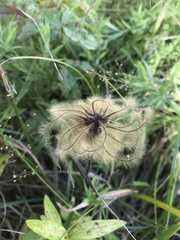
Seed: varies by species; fall sowing outdoors is the safe default
USDA range map · Photo: iNaturalist, CC0 · Report a correction
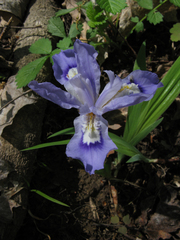
USDA range map · Photo: U.S. Fish and Wildlife Service Southeast Region, CC BY · Report a correction
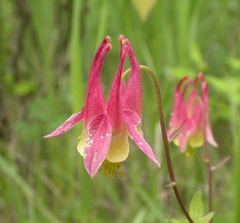
Birds: nectar (hummingbirds)
Seed: C(60), M
USDA range map · Photo: Nick Block, CC BY · Report a correction
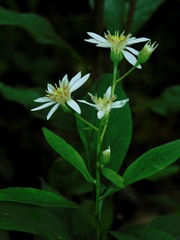
Seed: C(60)
USDA range map · Photo: Michael J. Papay, CC BY · Report a correction
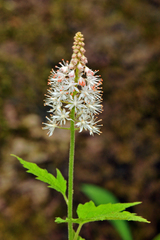
USDA range map · Photo: Tom Kennedy, CC BY · Report a correction
USDA range map · Photo: Douglas Goldman, CC BY-SA · Report a correction
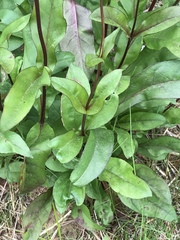
Seed: C(30)
USDA range map · Photo: Michael Ellis, CC BY · Report a correction
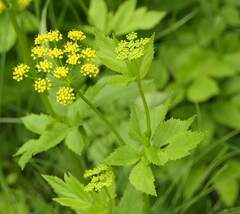
Caterpillars: Black swallowtail; Zizia-specialist mining bees
Seed: C(60), M, G
USDA range map · Photo: christine123, CC BY · Report a correction
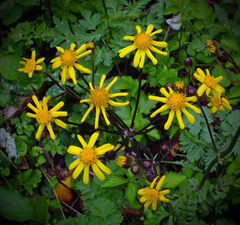
Seed: C(60)
USDA range map · Photo: Nicholas, CC BY · Report a correction
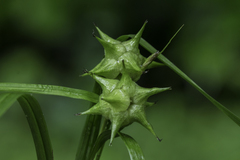
USDA range map · Photo: Craig Martin, CC0 · Report a correction
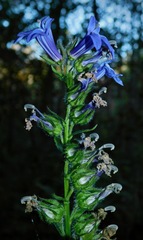
Seed: Surface-sow (needs light) after about 60 days cold-moist
USDA range map · Photo: Michael J. Papay, CC BY · Report a correction
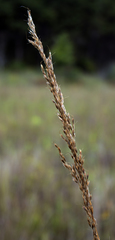
Birds: seed; winter cover
USDA range map · Photo: aarongunnar, CC BY · Report a correction
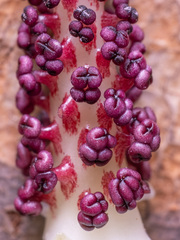
Birds: berries (late summer)
Seed: Clean the red pulp; 60-90 days cold-moist
USDA range map · Photo: Alex Abair, CC BY · Report a correction
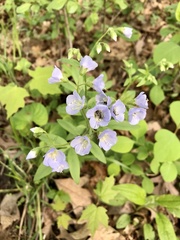
Seed: C(60)
USDA range map · Photo: Rose Zappa, CC BY · Report a correction
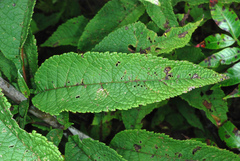
Seed: C(60)
USDA range map · Photo: Douglas Goldman, CC BY-SA · Report a correction
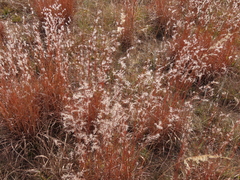
Birds: seed; winter cover
USDA range map · Photo: iNaturalist, CC0 · Report a correction
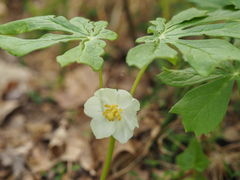
Seed: Sow fresh; warm then cold; slow
USDA range map · Photo: mefisher, CC0 · Report a correction
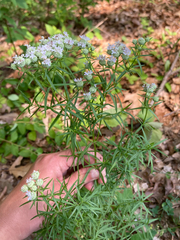
Seed: A, D
USDA range map · Photo: iNaturalist, CC0 · Report a correction
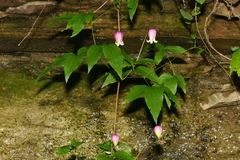
Caterpillars: Clematis clearwing and Thyris moths also use other native Clematis (verify)
Seed: varies by species; fall sowing outdoors is the safe default
USDA range map · Photo: Brian Finzel, CC BY-SA · Report a correction
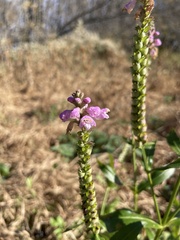
Seed: C(60)
USDA range map · Photo: iNaturalist, CC0 · Report a correction
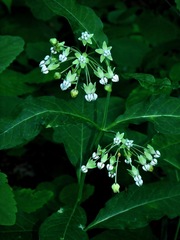
Caterpillars: Monarch
Seed: C(30)
USDA range map · Photo: Michael J. Papay, CC BY · Report a correction
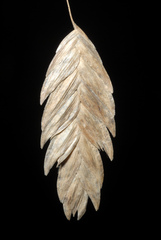
USDA range map · Photo: Douglas Goldman, CC BY-SA · Report a correction
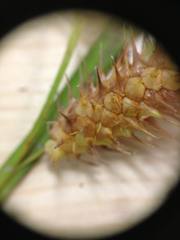
USDA range map · Photo: naturalist charlie, CC BY · Report a correction
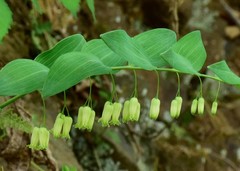
Birds: berries (late summer)
Seed: L, F
USDA range map · Photo: nancyellivc, CC BY · Report a correction
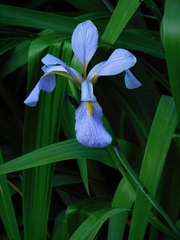
Seed: C(60)
USDA range map · Photo: Michael J. Papay, CC BY · Report a correction
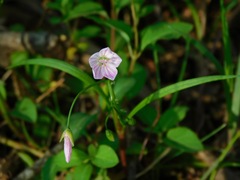
USDA range map · Photo: Michael J. Papay, CC BY · Report a correction
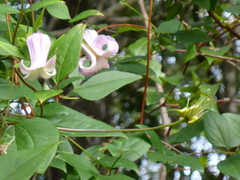
Seed: varies by species; fall sowing outdoors is the safe default
Range: In Virginia: Coastal Plain, from Hanover County south; no northern Virginia records. Breeding bed only.
USDA range map · Photo: mfeaver, CC BY · Report a correction
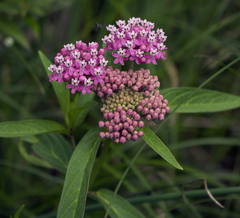
Caterpillars: Monarch; milkweed tussock moth
Seed: C(30)
USDA range map · Photo: aarongunnar, CC BY · Report a correction
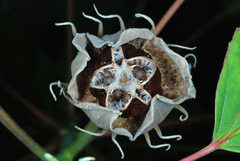
Seed: C(60)
USDA range map · Photo: Douglas Goldman, CC BY-SA · Report a correction
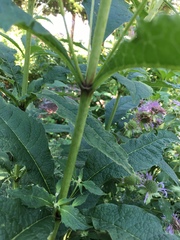
Seed: C(60)
USDA range map · Photo: KatieLMiller, CC BY · Report a correction
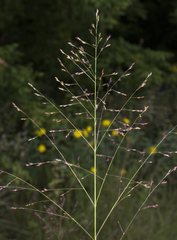
Birds: seed; winter cover
USDA range map · Photo: aarongunnar, CC BY · Report a correction
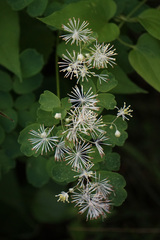
Seed: C(60)
USDA range map · Photo: s shepherd, CC BY · Report a correction
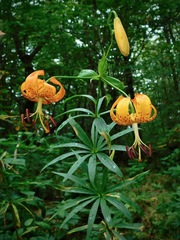
Birds: nectar (hummingbirds)
Seed: Warm-moist then cold-moist (like Prairie Moon's code E for L
USDA range map · Photo: Michael J. Papay, CC BY · Report a correction

Caterpillars: Clematis clearwing (Alcathoe caudata); window-winged moths Thyris maculata and T. sepulchralis; Horisme intestinata (BAMONA, Illinois Wildflowers)
Seed: C(30), M
USDA range map · Photo: Michael J. Papay, CC BY · Report a correction
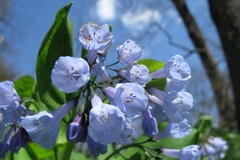
Seed: C(60)
USDA range map · Photo: Bob Gutowski, CC BY · Report a correction
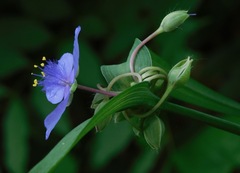
Seed: C(60)
USDA range map · Photo: Michael J. Papay, CC BY · Report a correction
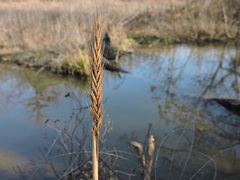
Caterpillars: Skippers
Birds: seed; winter cover
Seed: A
USDA range map · Photo: Sam Kieschnick, CC BY · Report a correction
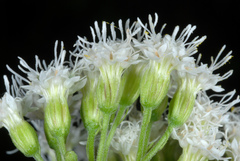
Seed: C(60)
USDA range map · Photo: Douglas Goldman, CC BY-SA · Report a correction
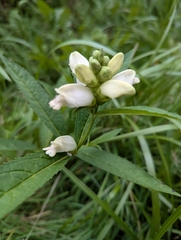
Caterpillars: Baltimore checkerspot (Euphydryas phaeton), a specialist
Seed: C(90), M
USDA range map · Photo: Colette Descent, CC0 · Report a correction
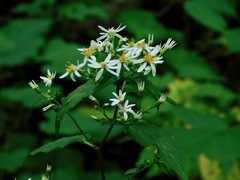
USDA range map · Photo: Michael J. Papay, CC BY · Report a correction
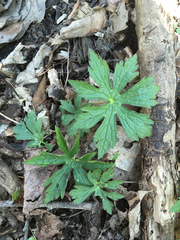
Seed: C(60), M
USDA range map · Photo: Erica Krimmel, CC0 · Report a correction
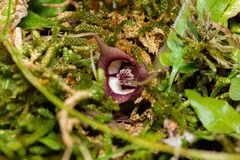
Seed: L, F
USDA range map · Photo: Nathan Aaron, CC BY · Report a correction
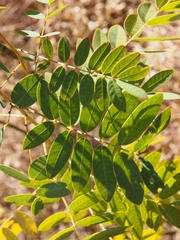
Caterpillars: Cloudless sulphur; sleepy orange
Seed: H
USDA range map · Photo: Lena Struwe, CC BY-SA · Report a correction
When each plant flowers where you live, and the weeks your garden leaves the bees with nothing.
Dates start from what we see in the Virginia piedmont and move with your spring: a plant flowers roughly as many days later as your spring arrives later than ours. That is an old and rough rule (Hopkins' bioclimatic law puts it at about four days per degree of latitude and per 400 feet of elevation), so treat the dates as give or take a week or two. Your own notes beat any calendar after one season.
Your garden is empty. Add plants in step 4, or switch to Everything that suits my site.
The bars below count how many of your plants are in flower each week from March to November. Weeks with fewer than three are marked; each gap lists plants from the list above that would fill it, keystone genera first. Tap one to add it.
Enter the bed's size and the plants in your garden become a planting plan: how many plugs of each, and where each goes so the tall ones don't hide the short ones.
What to do now where you live, and what your own plants are up to.
Dates move with your spring: later up north and in the mountains, earlier down south. Join our email list and we'll send the month's short list from the farm.
Plugs in spring or fall, water the first season, then leave them alone.
Any time the ground is neither frozen nor saturated. Early fall is best in most of the East: warm soil, cool air and autumn rain let roots grow before winter. Spring is second best. Midsummer planting works only if you will water.
Plugs (small deep cells) are the best value for beds: cheap, quick to establish, and planted about a foot apart they close in by the second summer. For areas bigger than a few hundred square feet, seed is the only affordable way; see the meadow notes below and section 06.
Expect "sleep, creep, leap": little to see in the first year, some flowers in the second, a meadow in the third.
Where deer are heavy, cage new plants for the first season. Grasses, sedges, ferns and wild indigo are rarely touched; phlox, lilies and native clematis are eaten first. Keep notes on what gets browsed. After two seasons you will know your deer better than any list.
Where you can, buy straight species grown from regional seed (a local ecotype). Named cultivars are fine in a garden bed, with two exceptions worth avoiding: double flowers, which often give pollinators little, and purple- or red-leaved forms, which in one study fed fewer caterpillars. Mt. Cuba Center's trials found that many of the best garden performers were straight species anyway.
Your state native plant society (linked in section 02) lists nurseries and runs plant sales; that's the surest route to local-ecotype plants. In northern Virginia, the Loudoun Wildlife Conservancy's sales at Morven Park bring several local-ecotype growers together each spring and fall. Ask any nursery where its seed came from, and whether plants were treated with systemic insecticides.
Most native seed is asleep on purpose, and each kind wakes differently.
Seed companies use short codes for what each species needs. These are Prairie Moon Nursery's, which many growers follow; each plant card above shows its code where we have checked it.
| Code | What it means | How to do it at home |
|---|---|---|
| A | No treatment | Sow when warm; most mints and Monarda. |
| C(30), C(60), C(90) | Cold-moist stratification for that many days | Mix seed with damp sand in a labeled bag in the fridge, or simply sow outdoors in fall or winter and let the weather do it. |
| D | Needs light to germinate | Press onto the surface; don't cover. |
| E | Warm, then cold | Warm and moist for a couple of months, then cold; or sow in late summer outdoors. |
| F | Slow: may take two years | Keep the pot outside and don't give up on it. |
| H | Hard seed coat | Nick it or rub on sandpaper, or soak in hot water. |
| I | Needs its bacteria | Legumes such as wild indigo: add the matching inoculant at sowing. |
| L | Sow fresh | Never let it dry out: spring ephemerals such as bloodroot. |
| M | Or sow outdoors in fall | The easy way for many cold-needing seeds. |
A new native bed fails most often to what was already growing there.
The list below is Virginia's (the Department of Conservation and Recreation's 2024 list, ranked for the piedmont), with when to act on each. Much of it applies across the East. Outside Virginia, use your state's list: EDDMapS maps reported infestations near you, and the National Invasive Species Information Center links every state's council.
| Plant | VA rank | Form | Invades | Act in | What works |
|---|---|---|---|---|---|
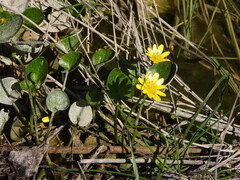 Lesser celandine Lesser celandine Ficaria verna | High | herb | floodplain | Feb–Mar | Before it flowers (Feb-Mar): dig small patches keeping every bulblet, or foliar-spray an aquatic-labeled glyphosate once leaves are up and natives are still dormant. Gone by June: don't bother then. |
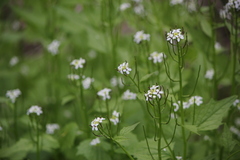 Garlic mustard Garlic mustard Alliaria petiolata | High | herb | floodplain, woodland | Mar–May | Pull rosettes in March and flowering plants before seed (by late May); bag plants with pods. Biennial: 5+ years of seed bank. |
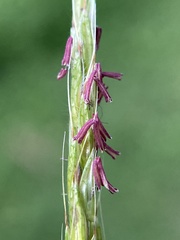 Japanese stiltgrass Japanese stiltgrass Microstegium vimineum | High | grass | floodplain, woodland, edge | Aug–Sep | Pull or string-trim in Aug-Sep just before it flowers; earlier cutting lets it regrow and seed. Annual: stop seed for several years. |
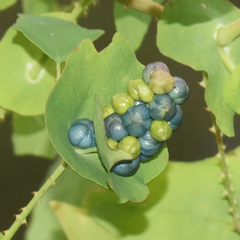 Mile-a-minute Mile-a-minute Persicaria perfoliata | High | vine | floodplain, edge, meadow | Mar, Jun–Jul | Pre-emergent in early-mid March where legal, or pull (gloves: barbs) from May through late June before blue fruit; recheck through fall. |
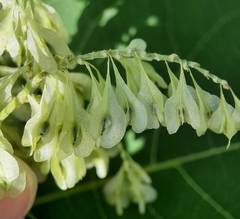 Japanese knotweed Japanese knotweed Reynoutria japonica | High | herb | floodplain | Jun, Aug–Sep | Cut in June, then foliar or stem-inject regrowth after flowering (Aug-Sep); repeat for years. Don't mow fragments into the stream. |
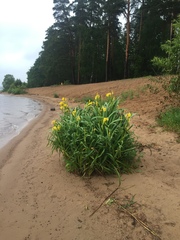 Yellow flag iris Yellow flag iris Iris pseudacorus | High | herb | wet meadow, floodplain | May–Jun | Cut seed heads after flowering (May-Jun); dig rhizomes (gloves: sap irritates) or treat with aquatic-labeled herbicide. |
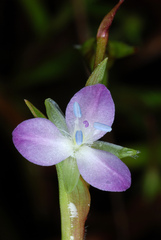 Marsh dewflower Marsh dewflower Murdannia keisak | High | herb | wet meadow, floodplain | Jul–Sep | Pull before seed (late summer); annual of wet ground. |
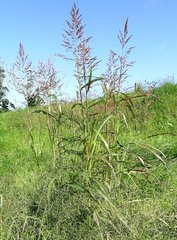 Johnson grass Johnson grass Sorghum halepense | High | grass | meadow, edge | Jun–Aug | Dig rhizomes or spot-spray when 18-24 in tall, before seed heads. |
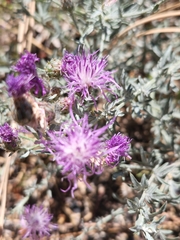 Spotted knapweed Spotted knapweed Centaurea stoebe ssp. micranthos | High | herb | meadow, dry | Jun–Jul | Pull (gloves) before flowering in June-July; tap-rooted. |
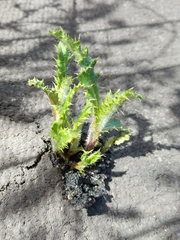 Canada thistle Canada thistle Cirsium arvense | High | herb | meadow | Jun, Sep | Cut at bud stage (June) to drain roots; spot-treat fall rosettes (September). |
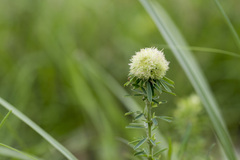 Sericea lespedeza Sericea lespedeza Lespedeza cuneata | High | herb | meadow, dry | Jun–Jul | Mow or spot-treat in early summer before it flowers; seed bank lasts decades. |
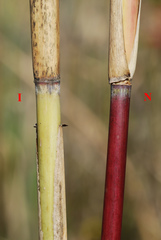 Common reed Common reed Phragmites australis ssp. australis | High | grass | wet meadow | Aug–Sep | Aquatic-labeled herbicide after tasseling (Aug-Sep), then cut dead stalks in winter. Large stands need a professional. |
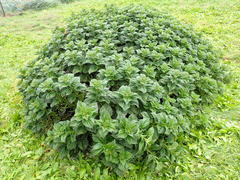 European stinging nettle European stinging nettle Urtica dioica ssp. dioica | High | herb | floodplain | May–Jun | Check the ID first: the native Urtica dioica ssp. gracilis grows on the same floodplains and hosts red admirals. Remove only confirmed European plants. |
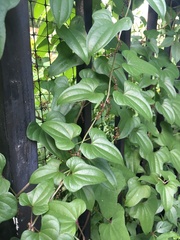 Cinnamon vine (chinese yam) Cinnamon vine (chinese yam) Dioscorea polystachya | High | vine | floodplain, edge | Jun–Aug | Collect the aerial bulbils (Jul-Oct) and pull or treat vines before they form. |
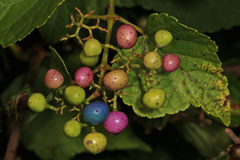 Porcelain-berry Porcelain-berry Ampelopsis glandulosa | High | vine | edge, floodplain | Jun–Sep | Cut vines and treat stumps, or foliar-spray regrowth; pull seedlings. Before berries ripen. |
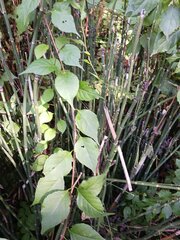 Oriental bittersweet Oriental bittersweet Celastrus orbiculatus | High | vine | edge, woodland | Jul–Oct | Cut vines at the ground and treat stumps immediately; pull seedlings with the orange root. |
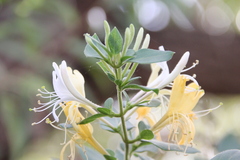 Japanese honeysuckle Japanese honeysuckle Lonicera japonica | High | vine | edge, woodland, floodplain | Jul–Nov | Foliar spray after July 4 through early winter, when natives are dormant but it stays green; pull small patches any time. |
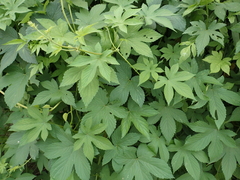 Japanese hops Japanese hops Humulus japonicus | Medium | vine | floodplain | May–Jun | Annual: pull (gloves) in May-June before seed. |
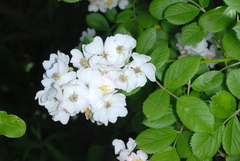 Multiflora rose Multiflora rose Rosa multiflora | High | shrub | meadow, edge, floodplain | Jun–Sep | Cut in June and treat the stump, or treat regrowth; pull seedlings. Takes over meadows that aren't managed. |
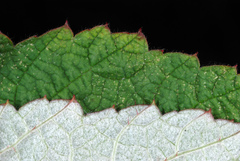 Wineberry Wineberry Rubus phoenicolasius | High | shrub | edge, woodland, floodplain | Jun–Sep | Pull canes when soil is moist (easy) or cut and treat; before fruit. |
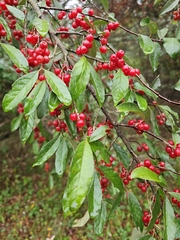 Autumn olive Autumn olive Elaeagnus umbellata | High | shrub | meadow, edge | Aug–Oct | Cut and treat stumps, or basal-bark treat, late summer to fall. Cutting alone makes it resprout. |
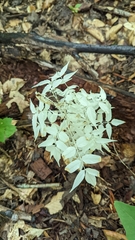 Tree-of-heaven Tree-of-heaven Ailanthus altissima | High | tree | edge, meadow | Jul–Sep | Hack-and-squirt in July-September, don't cut first (it suckers). Host of spotted lanternfly. |
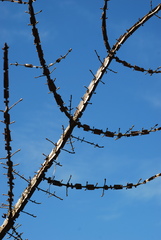 Winged euonymus (burning bush) Winged euonymus (burning bush) Euonymus alatus | High | shrub | woodland, edge | Sep–Nov | Pull seedlings; cut and treat large shrubs in fall when it's easy to spot (red). |
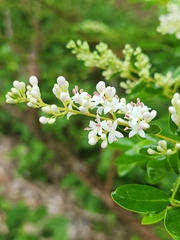 Chinese privet Chinese privet Ligustrum sinense | High | shrub | floodplain, edge | Oct–Dec | Cut and treat stumps or basal-bark in late fall to winter, when natives are leafless. |
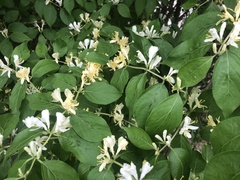 Amur honeysuckle Amur honeysuckle Lonicera maackii | High | shrub | edge, woodland | Oct–Nov | Cut and treat stumps in fall (it stays green later than natives). |
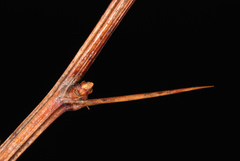 Japanese barberry Japanese barberry Berberis thunbergii | Medium | shrub | woodland, edge | Apr, Oct–Nov | Pull or dig (gloves) in early spring or late fall when it leafs out first/last. Harbors ticks. |
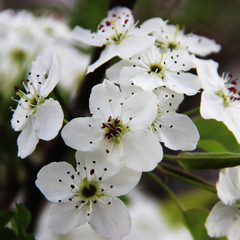 Callery pear Callery pear Pyrus calleryana | Medium | tree | meadow, edge | Apr, Sep–Oct | Pull seedlings (thorny); cut and treat or basal-bark treat saplings. Easy to spot in April bloom. |
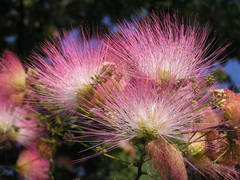 Mimosa Mimosa Albizia julibrissin | Medium | tree | edge | Jun–Jul | Cut and treat stumps in summer; pull seedlings. |
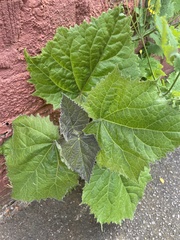 Royal paulownia Royal paulownia Paulownia tomentosa | Medium | tree | edge | Jul–Aug | Hack-and-squirt or cut and treat; pull seedlings. |
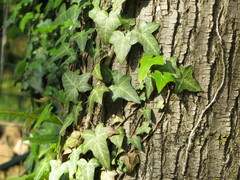 English ivy English ivy Hedera helix | Medium | vine | woodland | Jan–Mar, Nov–Dec | Cut climbing vines at shoulder height and ground (a 'lifesaver' ring), then pull ground ivy; winter is fine. |
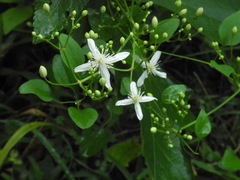 Sweet autumn clematis Sweet autumn clematis Clematis terniflora | Medium | vine | edge, floodplain | Aug–Sep | Pull or cut before seed in late summer. Look-alike of native C. virginiana: terniflora has entire (untoothed) leaflets and blooms a few weeks later. Never use it as a breeding parent. |
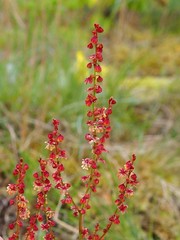 Sheep sorrel Sheep sorrel Acetosa acetosella | Medium | herb | meadow, dry | Apr–May | Pull and improve soil; spreads by rhizome. |
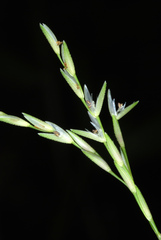 Joint head grass Joint head grass Arthraxon hispidus var. hispidus | Medium | grass | floodplain, wet meadow | Aug–Sep | Pull before seed like stiltgrass (annual). |
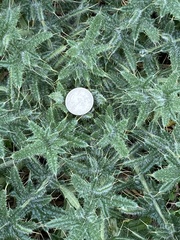 Bull thistle Bull thistle Cirsium vulgare | Medium | herb | meadow | May–Jun | Dig rosettes or cut before flowering (biennial). |
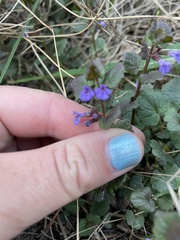 Gill-over-the-ground Gill-over-the-ground Glechoma hederacea | Medium | herb | floodplain, edge | Apr–May | Hand-pull runners when soil is moist. |
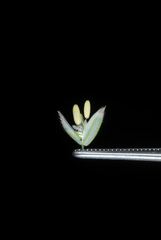 Common velvet grass Common velvet grass Holcus lanatus | Medium | grass | meadow, wet meadow | May–Jun | Mow or pull before seed. |
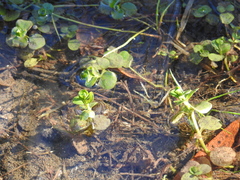 Moneywort Moneywort Lysimachia nummularia | Medium | herb | floodplain, wet meadow | May–Jul | Pull mats; spot-treat large wet-ground patches with an aquatic-labeled product. |
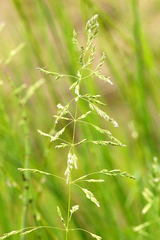 Rough bluegrass Rough bluegrass Poa trivialis ssp. trivialis | Medium | grass | wet meadow | Apr–May | Smother or spot-treat before planting. |
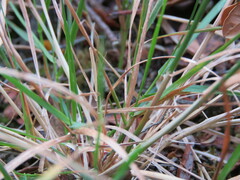 Colonial bent-grass Colonial bent-grass Agrostis capillaris | Medium | grass | meadow | Apr–May | Smother or spot-treat before planting. |
 Common chickweed Common chickweed Stellaria media | Medium | herb | edge | Mar–Apr | Pull in cool season before seed. |
Ranks: Virginia DCR 2024 (High, Medium) for the piedmont. Control timing: Piedmont Master Gardeners and Blue Ridge PRISM.
Flowers feed adult insects. The rest of the life cycle happens in stems, leaves and bare ground.
Cut old stems in spring to mixed heights of about 8 to 24 inches and leave the stubble. Small carpenter bees and others nest in pithy and hollow stems such as bee balm, Joe-Pye and ironweed through the next season.
Rake them off paths and lawn into beds, not into bags. Fireflies, moth pupae and many butterflies spend the winter in leaf litter.
About 70 percent of native bees nest in the ground. A sunny, unmulched patch of soil is a nest site.
Plant milkweeds native to your region. Avoid tropical milkweed, which keeps growing into winter in the South and is linked to a parasite that weakens monarchs.
Outdoor lights draw moths from their work and interfere with firefly signals. Motion sensors and warm-colored bulbs help.
A native garden is supposed to be eaten. Chewed leaves mean it is working, and the birds will take care of the rest.
Mt. Cuba Center rates its trial plants for pollinators with a simple method: watch one plant for 60 seconds and count every insect that lands on a flower. We use it on the farm, with a few rules borrowed from the Xerces Society's bee-monitoring protocol so the counts compare fairly:
Photograph what you can't name and post it to iNaturalist or, for bumble bees, Bumble Bee Watch. Your sightings become data that researchers actually use.
Our own records start with the 2027 season.
A small breeding program on the farm, built around Virginia's own clematis.
Virginia has more native clematis than most people realize: the vining leatherflowers with their thick, bell-shaped flowers, a handful of rare upright species on shale barrens and limestone, and virgin's bower, the frothy white vine of late-summer fence rows. Almost none of the clematis sold in garden centers has any of them in its family tree.
We are working to change that, slowly. The aim is garden plants with a native parent: compact, hardy, resistant to mildew, and still worth something to the insects that use the wild species, which means single flowers and ordinary green leaves. It is a program of years, and we'll share results as they earn it.
A few principles guide it, and they apply to anyone who grows these plants:
The trial beds are part of a visit to the farm, by appointment. If you know of an old garden planting of native leatherflower, or grow one yourself, we would love to hear about it; please don't share the locations of wild plants publicly.
How sure we are about each claim on this page.
Across US counties, about 14 percent of native plant genera host about 90 percent of caterpillar species (Narango, Tallamy and Shropshire 2020). The regional keystone lists come from the same database.
Narango et al., Nature Communications 2020 · NWF keystone lists
In suburban Washington, D.C. yards, chickadees bred successfully only where native plants made up about 70 percent or more of the plant mass; non-native plants supported far fewer caterpillars.
Narango, Tallamy and Marra, PNAS 2018
Most cultivars tested supported caterpillars about as well as the wild species; purple- or red-leaved forms supported fewer, and double flowers draw fewer pollinators in Mt. Cuba's coneflower trial. Few genera have been tested.
Baisden, Tallamy, Narango and Boyle, HortTechnology 2018 · Mt. Cuba Center trials
Local adaptation is well documented in restoration research, but the size of the effect in a watered garden bed is rarely measured. We favor local seed because it costs little and protects local genetics.
Restoration genetics literature; our own survival records
Hopkins' 1918 rule is an average; modern studies find the rate varies by region and year, and warming is changing it. We use it only to move a calendar roughly.
Hopkins 1918 via Alabama Extension · USA-NPN
Ratings such as Rutgers' A to D summarize grower experience, not controlled trials, and local deer pressure changes everything.
Rutgers NJAES deer-resistance list
Everything on this page traces to something below. Peer‑reviewed papers, extension services and state agencies carry the weight; nurseries and practitioner accounts are named as such. Last checked September 2026.
Home Farm 1760 is a veteran- and minority-owned farm and nursery on a 1760 Quaker farmstead in Leesburg, Virginia, open by appointment. Questions, corrections and local observations are welcome; we'd rather hear about an error than leave it up.